Saint Louis Woman's Club
19th Century Grand Dame Gets 21st Century Comfort
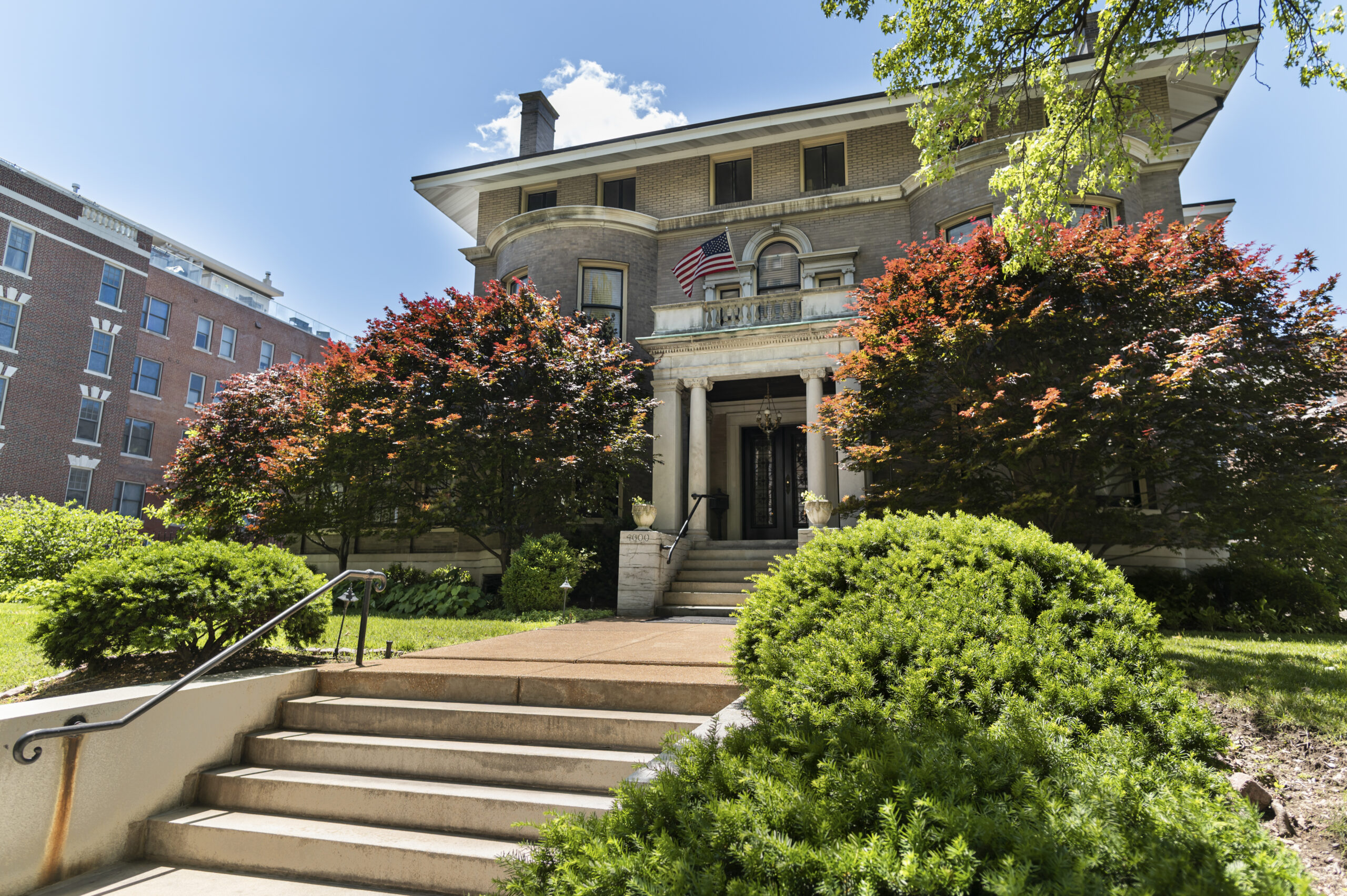
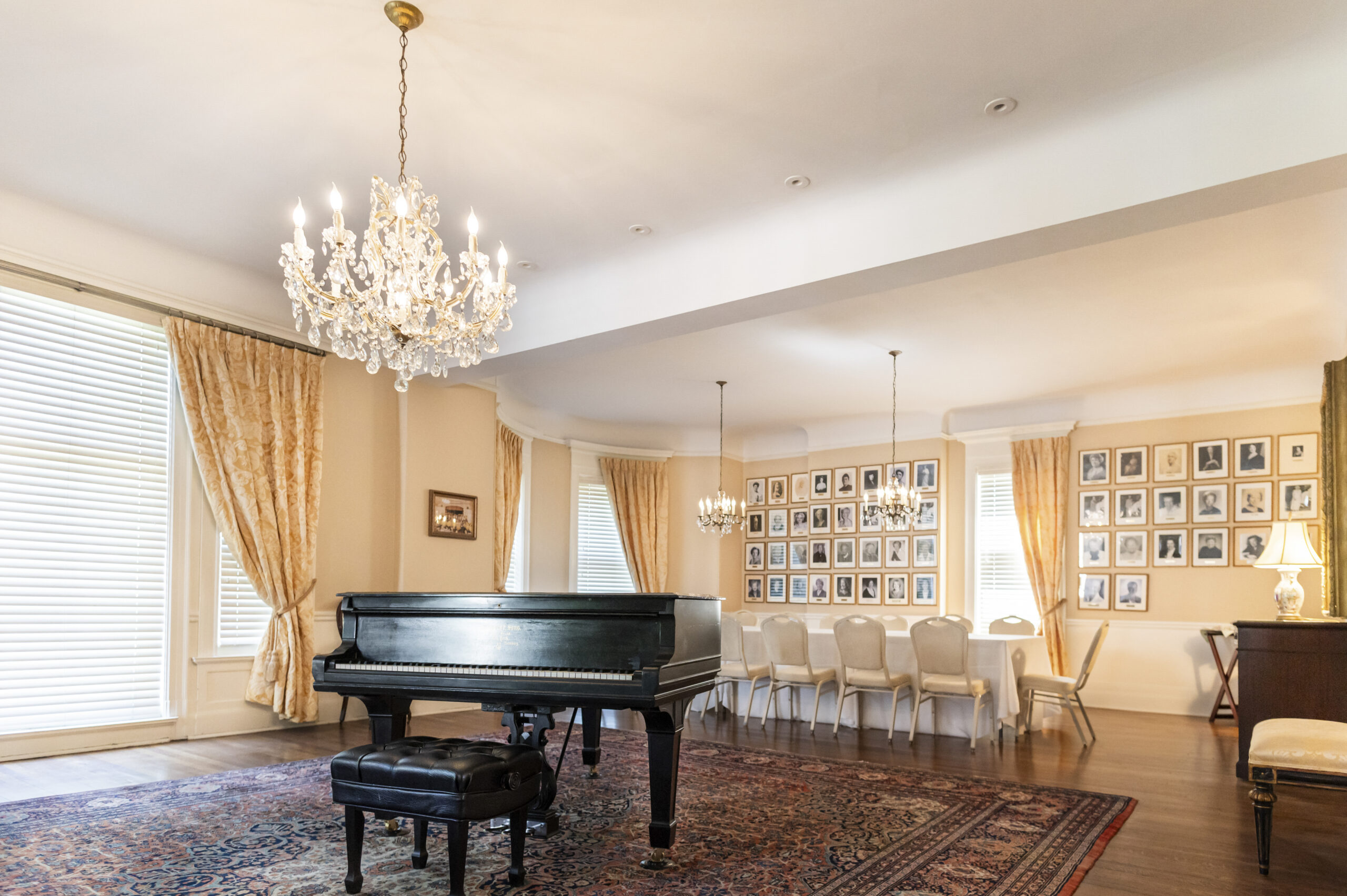
Befitting its stature as the then fourth largest city in the country, St. Louis, Missouri saw a boom in residential building at the close of the 19th century. This was most evident in the neighborhoods surrounding the city’s grand Forest Park, an urban oasis 500 acres larger than New York City’s famed Central Park. One such district, known as the Central West End, saw the construction of numerous stately mansions between the late-1800s and Forest Park’s hosting of the Louisiana Exposition (aka St. Louis World’s Fair) in 1904. In 1895, Ann Allen Donaldson, the daughter of a prominent attorney, hired the architectural firm of Grable, Weber & Groves to design a 3-story mansion in the Neoclassical Style on Lindell Boulevard, just a block-and-a-half from the park’s northeast corner. In 1911, Ms. Donaldson sold the home to the Saint Louis Woman’s Club. Founded in 1903, the organization originally existed as “a venue that would provide gracious hospitality to the wives of the heads of state and royalty from all over the world” visiting the city during the Exposition. In the century-plus years since the Fair, the Saint Louis Woman’s Club has continued to expand on its Progressive Era roots as a haven for serving “women well as a classroom, dining room, meeting place, theater, ballroom and center of family and social activity.”
The Problem
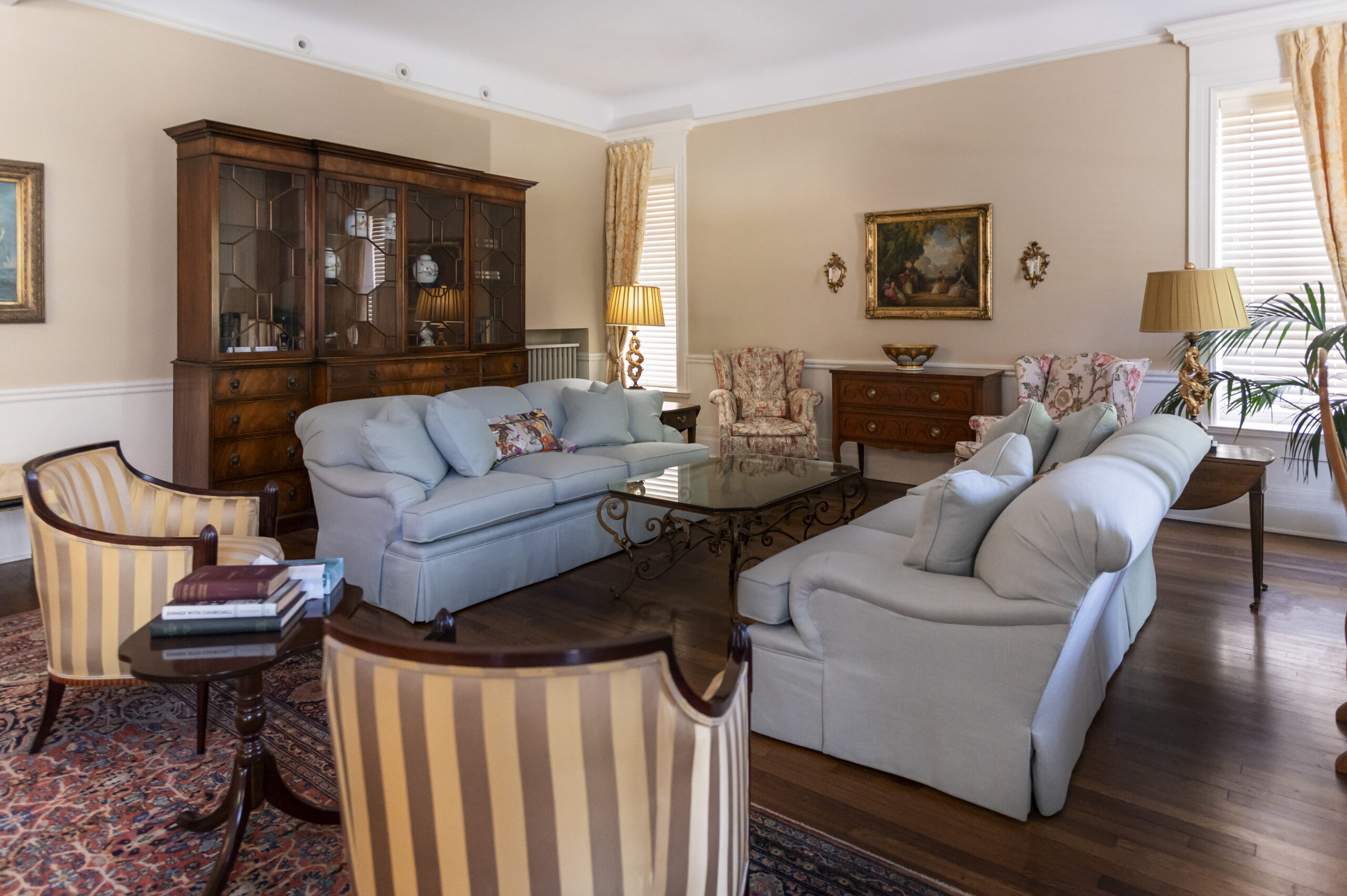
While, like many homes of the era, the structure is well served by radiator heating, there was simply no viable solution – beyond ugly, inefficient window units – for air conditioning during the sweltering heat and high humidity periods that can occur throughout three seasons in St. Louis. The club’s Board of Directors needed a cooling solution that would not compromise the building’s original design attributes or interior décor. Additionally, over its long existence, the Saint Louis Woman’s Club has amassed an eclectic assemblage of rare furnishings, including many pieces in the revivals of Rococo, Renaissance, Greek, Louis XV, and XVI styles, whose preservation depends on consistent humidity levels.
The Solution
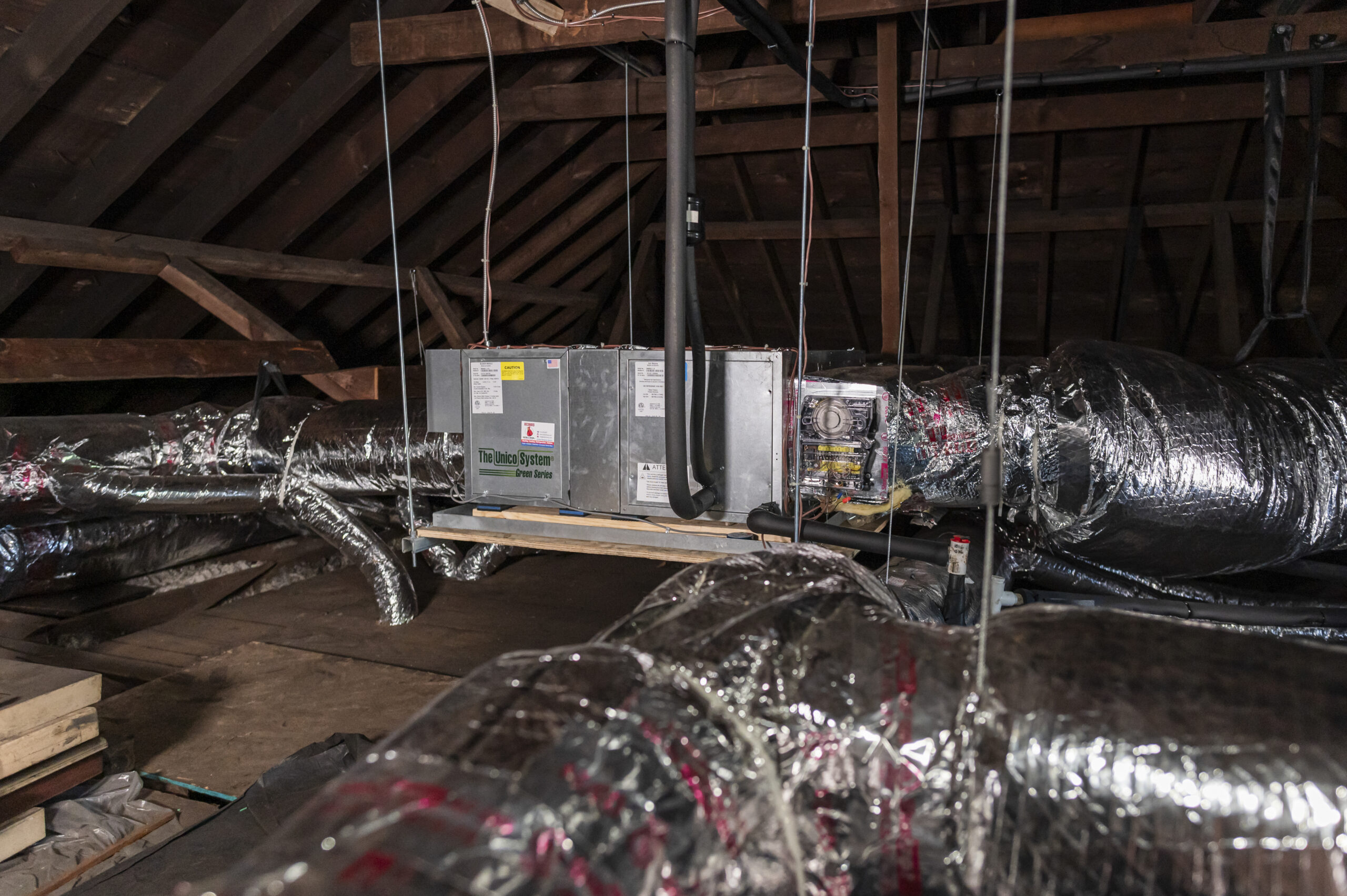
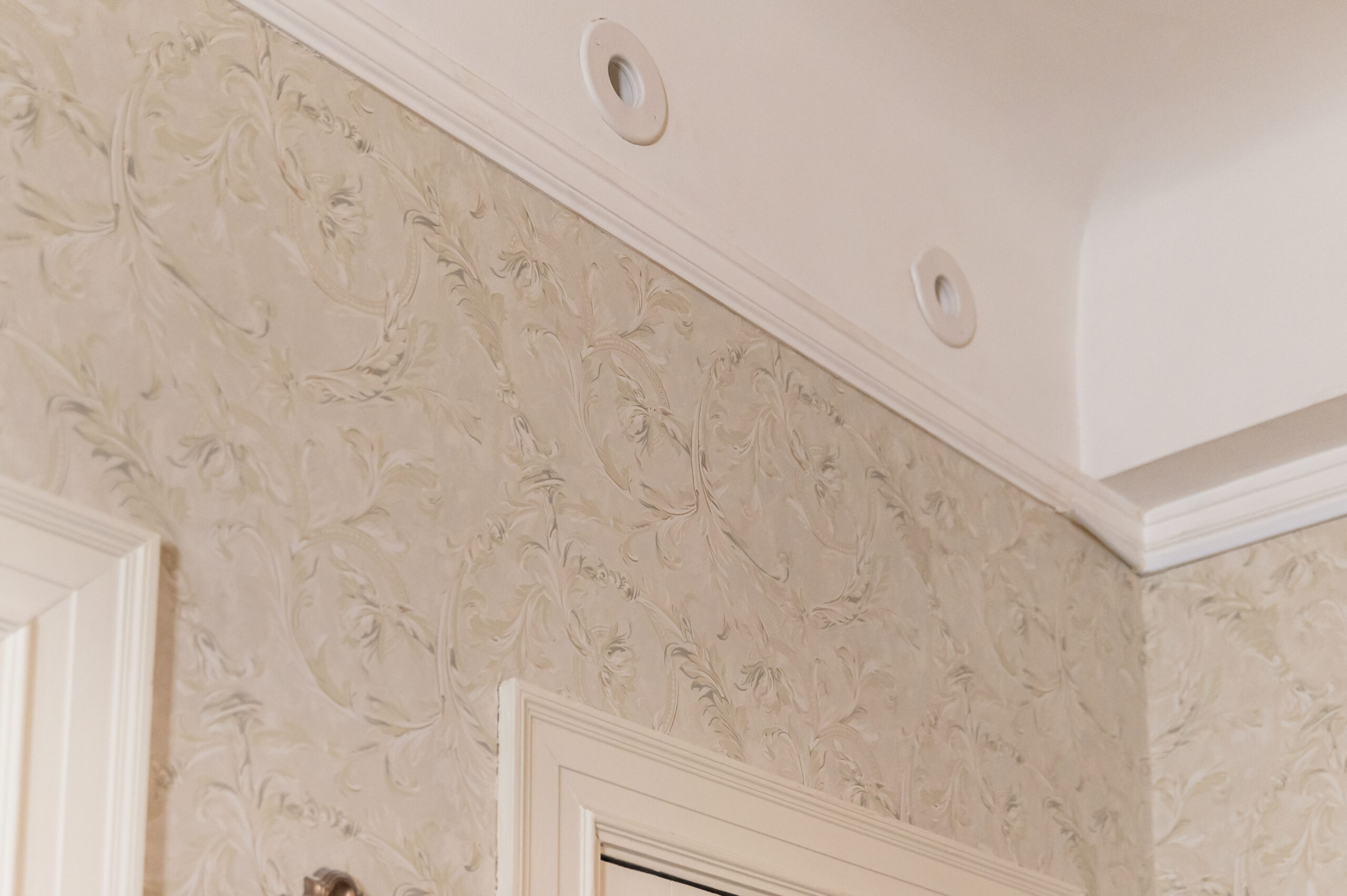
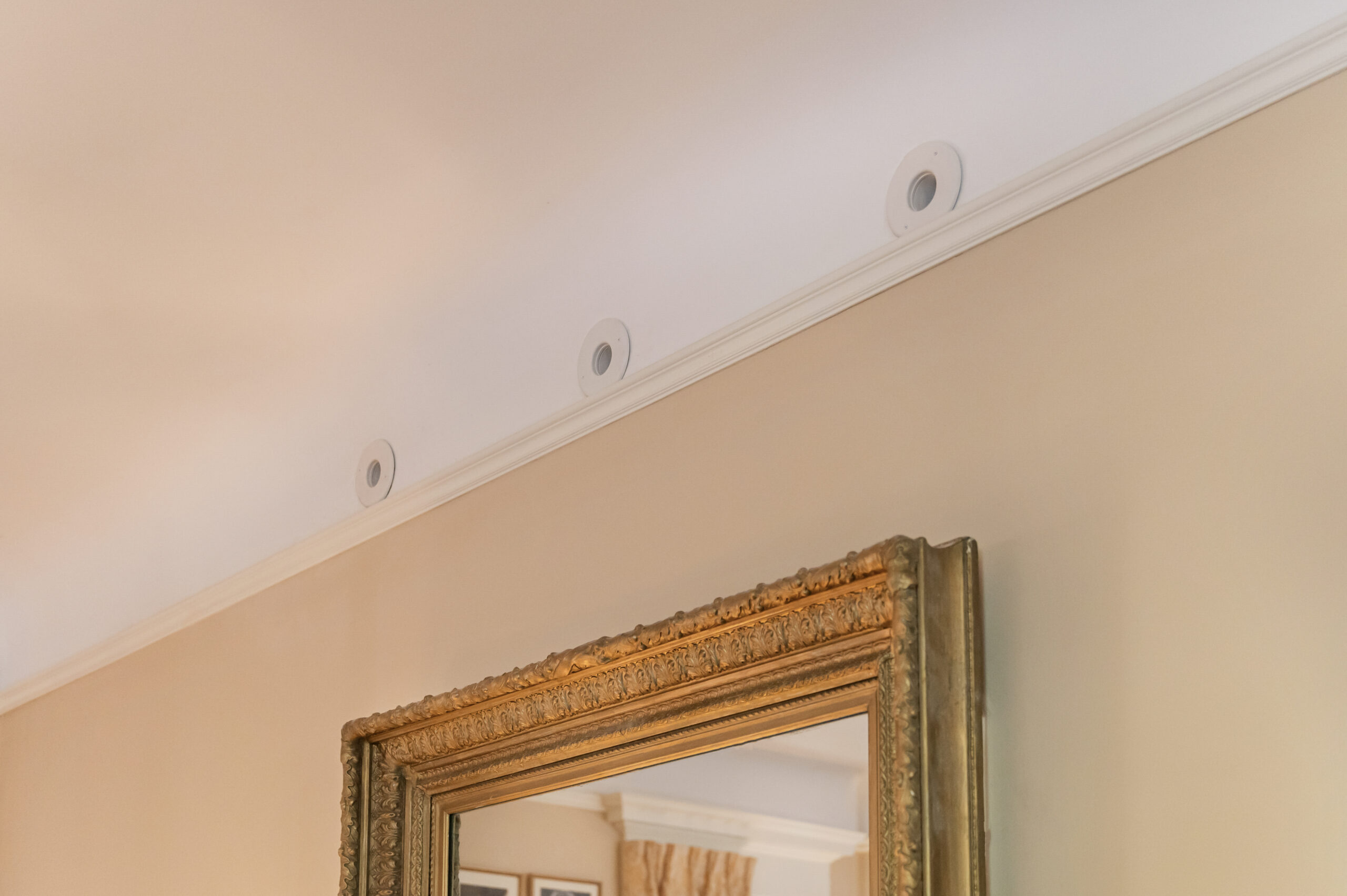
Some of the club members and directors were familiar with The Unico System from its installation in their own architecturally significant homes or their friends’ and neighbors’. They advised the club’s board to contact Callahan Season Comfort, who installed the compact, modular Unico air handling units in the home’s attic and fed the system’s flexible air supply tubing to round, bespoke outlets that terminate in the high sidewalls and ceilings of the second and first stories.
The Result
The Saint Louis Women’s Club members and Board of Directors couldn’t be happier with the results. Both staff and visitors now enjoy a pleasant working environment and the lush amenities offered by the club as a respite during the city’s hot and humid seasons. Everyone was especially pleased that upgrading to this superior, 21st-century environmental technology caused no disruption to the home’s original design or aesthetics.